Gridiron Archives: Navigating the World of Rare Chicago Bears Program Collecting
Jul 16, 20265 min read
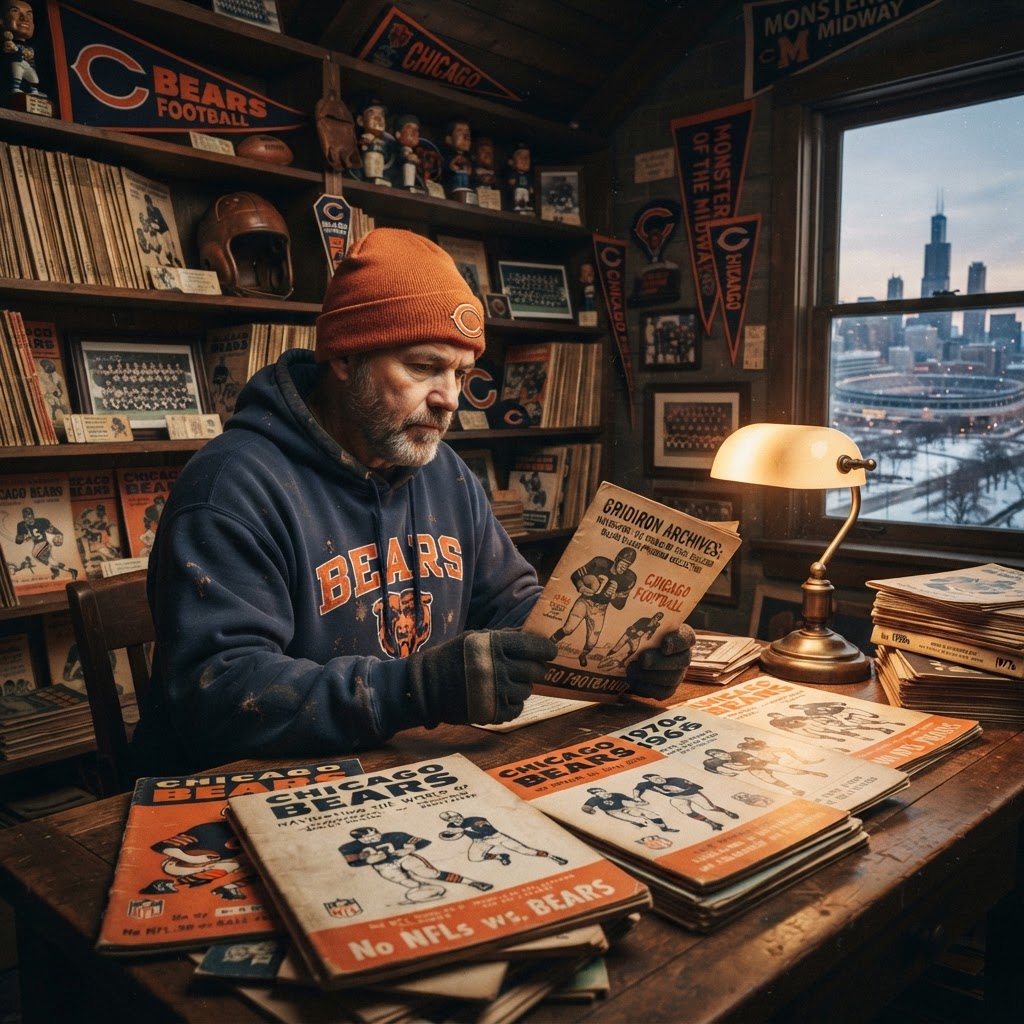
Discover the hidden value and historical significance behind vintage Chicago Bears game-day programs. From mid-century gems to rare pre-Super Bowl artifacts, learn how to build a collection that captures the soul of the Monsters of the Midway.
<h2>The Timeless Appeal of Bears Game-Day Programs</h2><p>For the true Chicago Bears historian, a football game is more than just four quarters of action; it is a moment in time. While jerseys and helmets often grab the spotlight, there is a quieter, more intimate piece of memorabilia that captures the essence of the franchise: the official game-day program. These booklets are more than just rosters and advertisements; they are physical links to the past, documenting the evolution of the NFL through the lens of the Monsters of the Midway.</p><h2>Why Programs Are the Ultimate Collector's Item</h2><p>Unlike mass-produced merchandise, game-day programs were ephemeral by design. Most were tossed into stadium trash cans or shredded in the stands as fans exited after a tough loss or a glorious victory. This makes high-quality, vintage programs rare artifacts today. A program from a 1940s victory or the legendary 1985 championship run serves as a snapshot of a specific era, featuring original artwork, historical advertisements, and player bios that you simply cannot find on the internet.</p><h2>What to Look For: Identifying True Treasures</h2><p>When you start your journey into collecting Bears programs, it is important to know which editions hold the most weight. Collectors typically look for the following criteria:</p><ul><li><strong>Historical Significance:</strong> Programs from milestone games, such as the 1940 NFL Championship (a 73-0 routing of the Redskins) or the 1985 NFC Championship.</li><li><strong>Condition:</strong> Look for minimal spine damage, vibrant colors, and no 'in-game' markings like handwritten scores or doodles, which can significantly decrease value.</li><li><strong>Original Artwork:</strong> Many programs from the 1950s and 60s featured commissioned illustrations on the cover, which are highly sought after by art enthusiasts and sports historians alike.</li><li><strong>Provenance:</strong> If you can verify the program was kept in a climate-controlled environment or comes from a prominent estate, its value increases exponentially.</li></ul><h2>Preserving Your Collection for Future Generations</h2><p>Once you have secured a rare piece, the work isn't finished. Paper is delicate, and the Chicago climate—with its shifting humidity—can be brutal on vintage stock. To keep your collection in 'museum-grade' condition, consider these steps: invest in acid-free Mylar sleeves to protect against dust and handling. Store them flat in a cool, dark environment to prevent the ink from fading or the paper from becoming brittle. Finally, consider a professional framing service that uses UV-protective glass if you plan to display your favorite covers in your fan cave.</p><h2>The Investment of Memories</h2><p>Collecting programs is a marathon, not a sprint. You might scour local antique shops, online auctions, and estate sales for months before finding that one elusive issue from the early Sid Luckman years. Yet, the thrill of the hunt is part of the experience. Each program adds a layer to your understanding of Bears history, allowing you to trace the team’s path from the grit of the early league days to the global phenomenon it is today. By curating this library of game-day memories, you are not just a fan; you are a caretaker of Chicago football heritage.</p>
⭐
Recommended Products
Looking for products we personally recommend for this niche? See our complete list of trusted tools and recommended products.
Browse Recommended ProductsCollector's Edition
Chicago Bears Ultimate Alternate History
Premium hardcover · 300+ pages · Perfect gift for any Bears fan
Order on Lulu.com